Why Classic Comedy Still Makes People Smile Across Generations
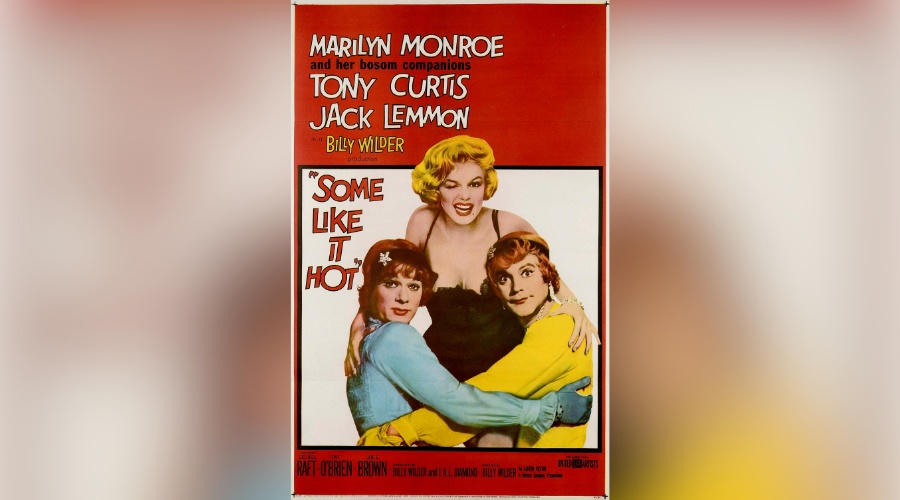
Few forms of entertainment age as unpredictably as comedy. References become outdated, social norms change, and styles that once dominated popular culture can suddenly feel unfamiliar. Yet some comedies continue finding new audiences’ decade after decade. Whether it's Charlie Chaplin navigating factory chaos in Modern Times, or the absurd wordplay of Airplane!, certain laughs seem remarkably resistant to time.
Part of that staying power comes from the way comedy creates shared experiences. Parents introduce their favorite films to their children. Friends quote memorable scenes years after first seeing them. Entire generations grow up watching the same performances and passing them forward. While comedy often reflects the era in which it was created, the best examples also tap into emotions and situations.
Why Classic Comedy Still Makes Every Generation Laugh?
Classic comedy endures because it focuses on experiences that rarely change. Embarrassment, ambition, misunderstanding, and everyday frustration are part of being human regardless of the decade. When audiences watch someone stumble through an awkward social interaction or struggle against ridiculous circumstances, the humor feels immediately familiar.
Unlike trend-driven jokes that rely on current events or niche references, classic comedies often build their humor around situations that remain recognizable. Workplace confusion, family pressure, romantic misunderstandings, and social anxiety still create laughter because audiences continue experiencing those same challenges in real life.
This universality makes classic comedy surprisingly accessible. A film made fifty or even one hundred years ago can still connect with modern viewers because the emotional foundation remains intact. The technology may look different, but human behavior often feels exactly the same.
How Universal Themes Keep Classic Comedy Feeling Relevant?
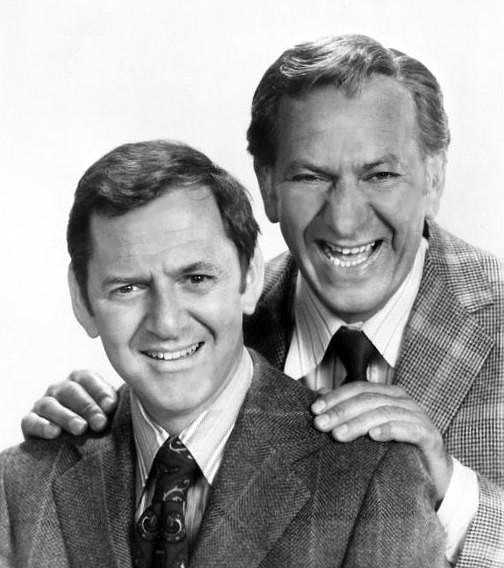
Many of the most successful classic comedies rely on themes that transcend specific historical periods. Characters chase success, avoid embarrassment, challenge authority, and navigate relationships in ways that remain relatable across generations. Whether the story takes place in the 1950s or the early twentieth century, audiences still recognize the emotions driving the characters.
Take films like Some Like It Hot or The Odd Couple. While the settings reflect their respective eras, the conflicts revolve around identity, friendship, and social expectations. Audiences continue responding to these stories because the underlying experiences remain familiar. Miscommunication, workplace frustrations, romantic complications, and family tensions remain just as relevant today as they were when these films first premiered.
The strongest comedies use their time period as a backdrop rather than a crutch. Even when viewers don't fully understand every cultural reference, they understand the emotions behind the jokes. That emotional accessibility allows classic comedies to connect with new audiences, turning them into favorites that families continue sharing across generations.
Why Physical Comedy in Classic Films Never Gets Old?
Physical comedy possesses a unique advantage: it doesn't require translation. A perfectly timed pratfall, double take, or visual misunderstanding can generate laughter regardless of language, age, or cultural background. Audiences instinctively understand what's happening, making the humor accessible almost immediately.
Performers like Charlie Chaplin, Buster Keaton, and Harold Lloyd built entire careers around visual storytelling. In Steamboat Bill Jr., Keaton famously survives a collapsing building facade thanks to precise positioning. The scene remains impressive because viewers instantly understand both the danger and the absurdity, creating suspense and comedy at the same time.
Physical humor also engages audiences differently than verbal jokes. Before viewers have time to analyze the situation, they've already reacted. This direct connection explains why children and adults can laugh at the same slapstick sequence despite having very different life experiences, helping classic physical comedy remain entertaining decade after decade.
The Characters and Performances That Defined Classic Comedy
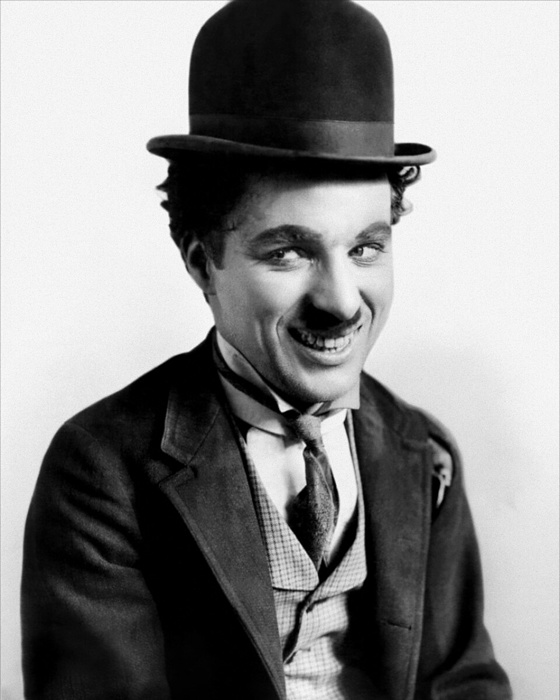
Physical comedy pulls you in fast, but it's the characters who make you stay. Star charisma turns a simple joke into something unforgettable. Performers like Robin Williams, Jim Carrey, and Lucille Ball didn't just deliver lines — they embodied characters you couldn't stop watching.
Ensemble dynamics added another layer, making interactions feel genuine rather than scripted. When a cast clicks, the humor comes from relationships, not just punchlines. Character-driven comedy ages better because behavior is timeless:
- Memorable personalities outlast trend-based humor
- Star charisma draws you back on every rewatch
- Ensemble dynamics create chemistry no single performer can replicate
- Behavior-based jokes feel fresh because human nature doesn't change
You're not just laughing at gags — you're laughing at people you recognize.
How Television Helped Preserve Classic Comedy
Many classic comedies survived because television introduced them to audiences who never experienced their original release. Syndicated reruns allowed families to discover older films and television programs decades after they first appeared. Instead of fading from public memory, beloved comedians and shows found entirely new audiences through regular television broadcasts.
For many viewers, classic comedy became a family tradition. Parents introduced children to I Love Lucy, The Three Stooges, or classic comedy films during weekend afternoons and holiday gatherings. These shared viewing experiences turned older programs into cultural touchstones, creating memories that families continued passing down from one generation to the next.
Television reruns introduced viewers to classic comedy movies across the decades, allowing audiences to discover everything from silent-film legends to beloved sitcom stars long after their original releases. Later, cable television, DVD collections, and streaming platforms expanded access even further. Today, viewers can discover comedians from nearly any era with a few clicks, ensuring that classic comedy remains part of popular culture long after its original release.
What Makes the Writing and Timing in Classic Comedy So Durable?
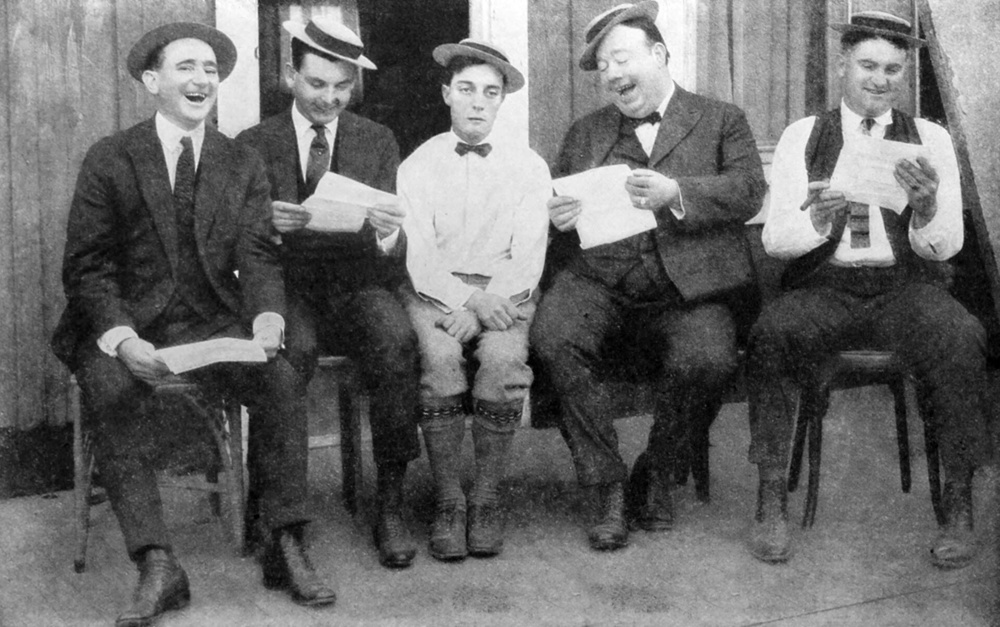
Strong comedy writing relies on precision. Great jokes require careful setup, effective pacing, and well-executed punchlines. The best classic comedies demonstrate an understanding of rhythm that remains effective regardless of changing trends, allowing audiences to laugh at the same scenes decades later.
Many enduring comedies also benefit from layered humor. A joke may work immediately while revealing additional details during repeat viewings. Callbacks, recurring gags, and carefully structured scripts reward audience attention and encourage rewatching, which helps explain why many classic films remain enjoyable even after multiple viewings.
Timing amplifies everything. A perfectly placed pause, delayed reaction, or rapid exchange can elevate a simple joke into something memorable. When strong writing and skilled performances work together seamlessly, the result feels timeless rather than tied to a specific era.
Why Comedy Quotes and Catchphrases Never Disappear
Some comedy lines escape their original films and become part of everyday language. Whether people realize it or not, many common expressions originated in movies and television shows before entering broader popular culture. The funniest lines often survive because they're simple, memorable, and easy to apply to different situations.
Films like Airplane!, Caddyshack, Monty Python and the Holy Grail, and countless sitcoms have produced quotes that audiences continue repeating decades later. These catchphrases remain recognizable because they're attached to memorable scenes, strong performances, and jokes that continue to resonate with viewers.
Quoting comedy also creates social connection. Shared references allow people to recognize fellow fans, spark conversations, and relive favorite moments together. Over time, these lines become part of the cultural vocabulary, often outlasting the films that introduced them.
How Social Media Introduced Classic Comedy to New Audiences
The internet has given classic comedy an unexpected second life. Scenes that once depended on television reruns now circulate through YouTube clips, TikTok edits, GIFs, memes, and reaction videos. A single funny moment can suddenly reach millions of viewers who may never have encountered the original film or television show.
Many younger viewers discover classic comedians online before ever watching their full work. Short clips featuring Lucille Ball, Charlie Chaplin, Mel Brooks, or Rowan Atkinson regularly attract new audiences, proving that strong comedy can still compete for attention in a fast-moving digital environment.
Although each generation develops its own comedic tastes, classic films often reveal how comedy reflects changing culture while still connecting audiences across generations. Social media has simply become the latest tool helping older humor find fresh viewers, ensuring that timeless laughs continue reaching new audiences.
How Shared Viewing Turned Comedy Into a Family Tradition
Comedy has always been one of the easiest forms of entertainment to share. Unlike dramas that may rely heavily on historical context or complex storytelling, comedies often create immediate reactions that audiences can enjoy together. A funny scene can bring an entire room to laughter regardless of age differences or personal backgrounds.
For many families, watching classic comedies became a recurring tradition. Weekend movie nights, holiday gatherings, and television reruns introduced younger generations to performers their parents and grandparents had enjoyed years earlier. These shared experiences helped transform individual films into lasting family memories.
That tradition continues today. Whether through streaming services or curated movie nights, families still revisit classic comedies together. The laughter becomes part of the experience, creating new memories while preserving older ones.
Why Nostalgic Humor Feels Comforting Years Later
Part of classic comedy's appeal comes from its ability to reconnect people with specific moments in their lives. Watching a favorite comedy often brings back memories of where you first saw it, who you watched it with, and how it made you feel at the time.
Nostalgic humor works because it combines entertainment with emotional familiarity. A familiar joke, character, or scene can provide comfort during uncertain times, offering a brief return to memories associated with family, friendship, and shared experiences. The laughter remains enjoyable, but the emotional connection often becomes just as important.
This blend of humor and nostalgia helps explain why audiences repeatedly return to the same films and shows. Classic comedies aren't simply reminders of the past—they're experiences that continue providing enjoyment while strengthening personal and cultural connections across generations.
Why Classic Comedies Become Permanent Fixtures in Every Era?
Every generation rediscovers classic comedies because they're built on human truths that don't expire. Their anachronistic charm doesn't push you away — it pulls you in. You recognize the folly, the ambition, the awkward social moments regardless of the decade. Ritual viewing turns these films into shared anchors across families and friendships.
What keeps classic comedies permanently relevant:
- Universal themes outlast trends because human behavior stays consistent across eras
- Iconic characters give each new generation someone worth quoting and remembering
- Subversive humor challenges authority in ways that feel fresh regardless of timing
- Adaptability lets these films generate new laughs rather than surviving on nostalgia alone
You don't just watch them — you return to them, and they always deliver.
Conclusion
Classic comedy remains powerful because it combines timeless humor with shared cultural experiences. Through universal themes, memorable characters, physical comedy, and expertly crafted writing, these films continue entertaining audiences long after their original release.
Perhaps most importantly, classic comedies create connections between generations. Parents share favorite scenes with children, friends quote familiar lines, and new audiences discover old performers through modern platforms. The settings may belong to another era, but the laughter remains surprisingly current. That's why classic comedy continues to endure—not simply as entertainment, but as a shared tradition passed from one generation to the next.
Related posts