Austin Dental Clinics Specializing in Modern Dental Treatments
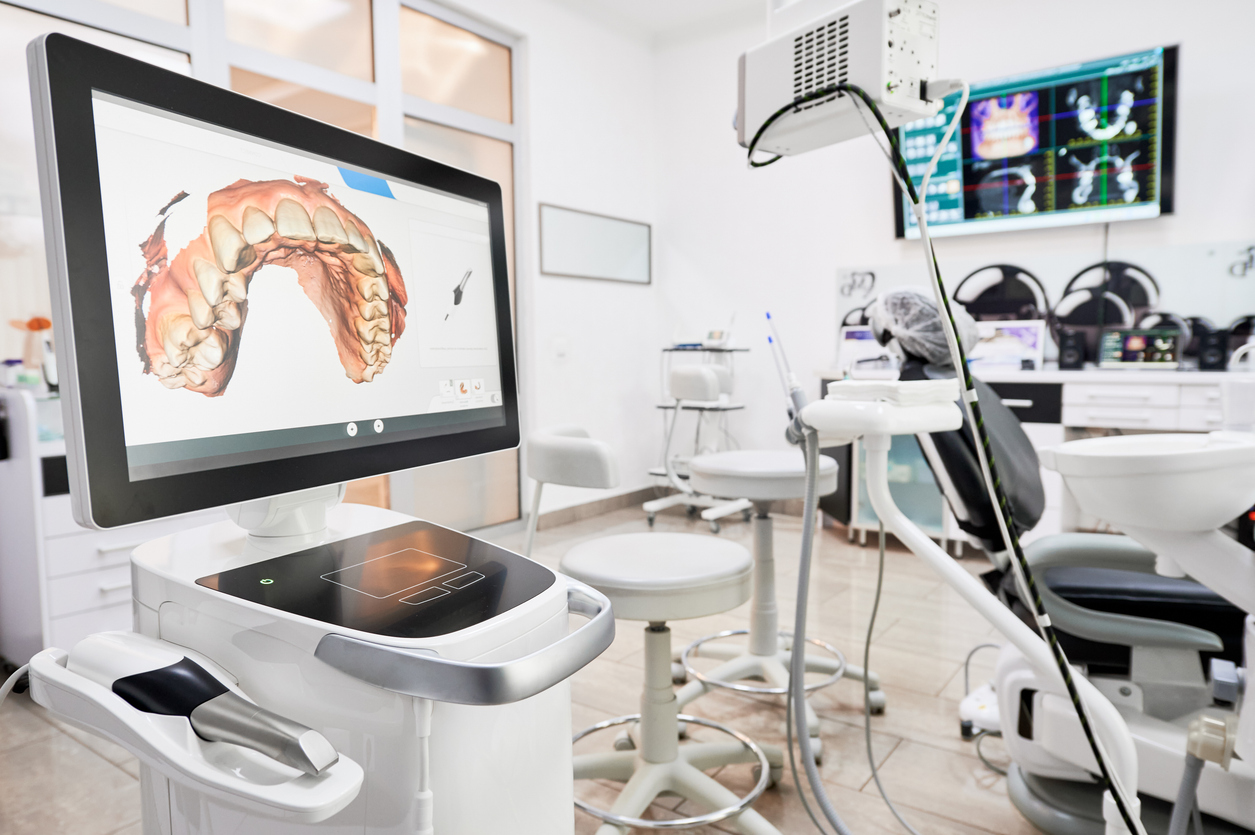
Austin’s dental clinics increasingly offer modern, technology-driven care designed to improve accuracy, comfort, and efficiency.
Many practices now use digital X-rays, 3D imaging, and same-day restoration systems to streamline procedures that once required multiple visits. Patients can also benefit from intraoral scanners, laser treatments, and digital treatment planning, all aimed at delivering more predictable and convenient results.
When choosing a high-tech dental provider, it’s important to evaluate both the technology available and the quality of patient care, ensuring the clinic’s approach aligns with your needs.
What Is Modern Dental Technology?
Modern dental technology refers to the use of digital tools and advanced equipment to improve diagnosis, treatment planning, and patient outcomes.
You’ll commonly encounter:
- Digital X-rays, which produce instant images and typically use significantly less radiation than traditional film
- Intraoral scanners, which replace traditional molds with precise digital impressions
- CAD/CAM systems, enabling same-day crowns and restorations in some cases
- Cone Beam CT (CBCT) imaging, providing 3D views of teeth, bone, and nerves
Some clinics also incorporate AI-assisted diagnostic software, which can help dentists analyze imaging more efficiently. While accuracy varies by system and use case, these tools are designed to support—not replace—clinical judgment.
Which Austin Clinics Offer CEREC, Digital X-Rays, and Advanced Imaging?
Several Austin dental practices offer modern technologies such as digital imaging and same-day restorations, though availability can vary by location and provider.
Examples of commonly referenced clinics include:
- 38th Street Dental (Central Austin): Known for digital imaging and comprehensive general dentistry services
- River Place Family Dentistry (Northwest Austin): Offers family dentistry with digital X-rays and restorative care
- various multi-location practices across Austin that provide CEREC crowns and intraoral scanning
Because services differ between offices, it’s best to confirm directly with each clinic whether they offer same-day crowns, CBCT imaging, or AI-assisted diagnostics.
How Do Same-Day CEREC Crowns Work?
Same-day crowns use CAD/CAM technology to design and create a dental crown during a single visit.
The process typically includes:
- Preparing the tooth and removing damaged areas
- Capturing a digital 3D scan using an intraoral scanner
- Designing the crown using specialized software
- Milling the crown from a ceramic block in-office
- Placing and bonding the crown
In many cases, the entire process can be completed in one appointment lasting about 1.5 to 2 hours, though timing may vary depending on the complexity of the case.
Why Digital X-Rays and 3D Imaging Improve Diagnosis
Digital imaging technologies provide clearer, faster, and more detailed views of oral structures.
CBCT scans allow dentists to:
- Visualize bone structure and nerve positioning before procedures
- Detect issues that may not appear on standard 2D X-rays
- Plan treatments like implants and extractions with greater precision >
Digital X-rays also typically use lower radiation levels compared to older film systems, while producing immediate results that improve workflow and communication.
How Modern Technology Makes Cosmetic Dentistry More Precise
Technology plays a key role in improving cosmetic dental procedures.
Digital smile design tools allow dentists to simulate potential results, helping patients visualize changes before treatment begins.
CAD/CAM systems enable precise fabrication of veneers, crowns, and other restorations, while intraoral scanners ensure accurate measurements without traditional molds.
Laser technology may also be used in procedures like gum contouring, offering more controlled results with reduced recovery time.
Advanced Dental Implant Technology Available in Austin
Dental implant procedures now rely heavily on advanced imaging and digital planning tools, and several Austin-area clinics offer these modern solutions.
Practices such as Austin Oral Surgery, Forest Family Dentistry (Round Rock/Austin area), and Swish Dental provide implant services that incorporate CBCT (cone beam) scans for detailed 3D imaging. These scans help dentists determine precise implant placement while minimizing risk. Many clinics also use digital impressions and guided surgery techniques to improve accuracy and consistency throughout the procedure.
Common implant approaches include:
- Single-tooth implants for replacing individual missing teeth
- All-on-4 or All-on-X systems, offered at clinics like Austin Oral Surgery, to support full-arch restorations
- Bone grafting and advanced anchoring methods for patients with reduced bone density
Treatment timelines vary depending on the case. Some Austin providers offer same-day temporary teeth, allowing patients to leave with a functional smile, while full healing and placement of permanent restorations typically take several months.
How State-of-the-Art Equipment Reduces Treatment Time
Modern equipment helps reduce both appointment time and the number of visits required.
- Digital scans replace traditional impressions in minutes
- Same-day restorations eliminate the need for temporary crowns
- Imaging systems provide immediate diagnostic results
While not every procedure can be completed in one visit, many treatments are now more efficient and less invasive than in the past.
What to Look for When Choosing a High-Tech Austin Dentist
When selecting a dental clinic, consider more than just the equipment.
Look for practices that combine modern technology with strong patient care, including:
- Digital imaging and scanning capabilities
- Clear explanations of treatment options
- Transparent pricing and treatment timelines
- Positive patient reviews and consistent care quality
A well-equipped clinic should also focus on education and communication, helping you understand your treatment plan before proceeding.
If you’re new to the city and exploring things to do, it’s also worth planning your routine care alongside your schedule—especially when you’re balancing appointments with activities you can do in Austin.
Conclusion
Austin’s dental clinics continue to adopt modern technologies that improve both patient comfort and treatment outcomes.
From digital imaging to same-day restorations, these advancements can make dental care more efficient and predictable.
Choosing the right provider means finding a balance between advanced tools, experienced professionals, and patient-focused care.